3D Printing

3D Printing

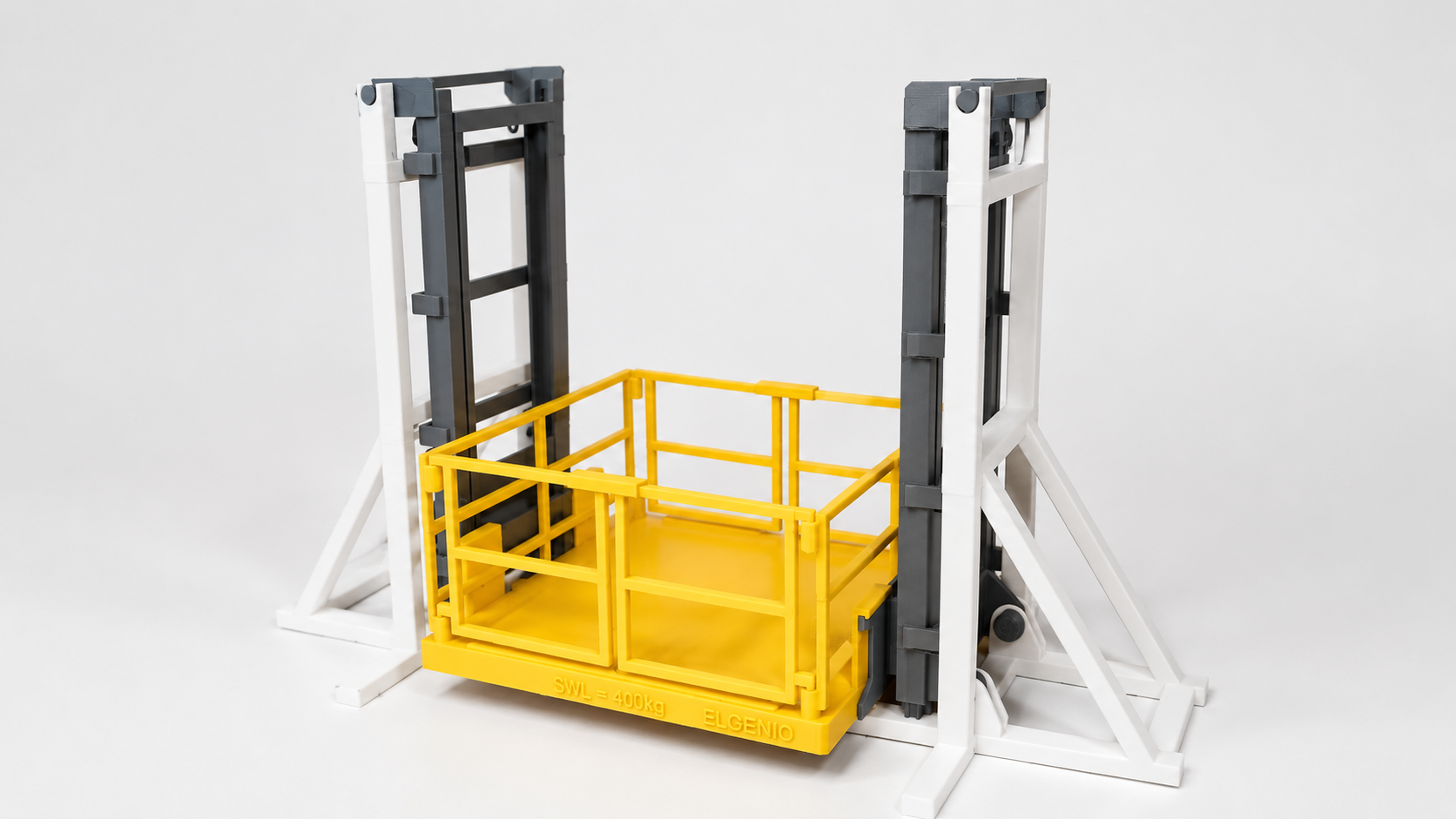
Elgenio produces 3D printed models for subsea, decommissioning, installation and equipment design projects. Physical models can help project teams, clients and offshore personnel understand complex equipment arrangements, interfaces and installation constraints.

Using geometry developed during the engineering process, we can produce project-specific models for design reviews, HAZID / HIRA workshops, method development, offshore briefings and client presentations.

Technical render of subsea jacket frame showing structural interface locations

Typical Applications

3D printed models can be developed to support a range of offshore,
subsea and decommissioning activities.

  • Subsea Structures, Baskets, Skids & Frames
  • Installation & Decommissioning Planning
  • Jacket, Manifold & Tie-In Systems
  • Pipeline, Mattress & Crossing Arrangements
  • Vessel Deck Layouts & Mobilisation Planning
  • Installation Sequence Reviews
  • HAZID / HIRA Workshops
  • Client & Offshore Briefings

From Engineering Model to Physical Model

Existing project geometry can usually be adapted into a simplified, print-ready model without rebuilding the design from scratch.

Geometry is reviewed to remove unnecessary detail, improve printability and divide larger structures into practical sections. Colours and assembly arrangements can then be selected to make important equipment, interfaces and installation features easier to understand.

The finished model can be used during design reviews, workshops, mobilisation planning, offshore briefings and client presentations.

Model preparation

Engineering geometry is reviewed and simplified so the printed model remains robust, clear and easy to understand.

Print planning

The model is split, orientated and checked for supports, print time and assembly approach.

Assembly and review

The finished model is assembled for use in workshops, client presentations and offshore briefings.

Why Use a Physical Model?
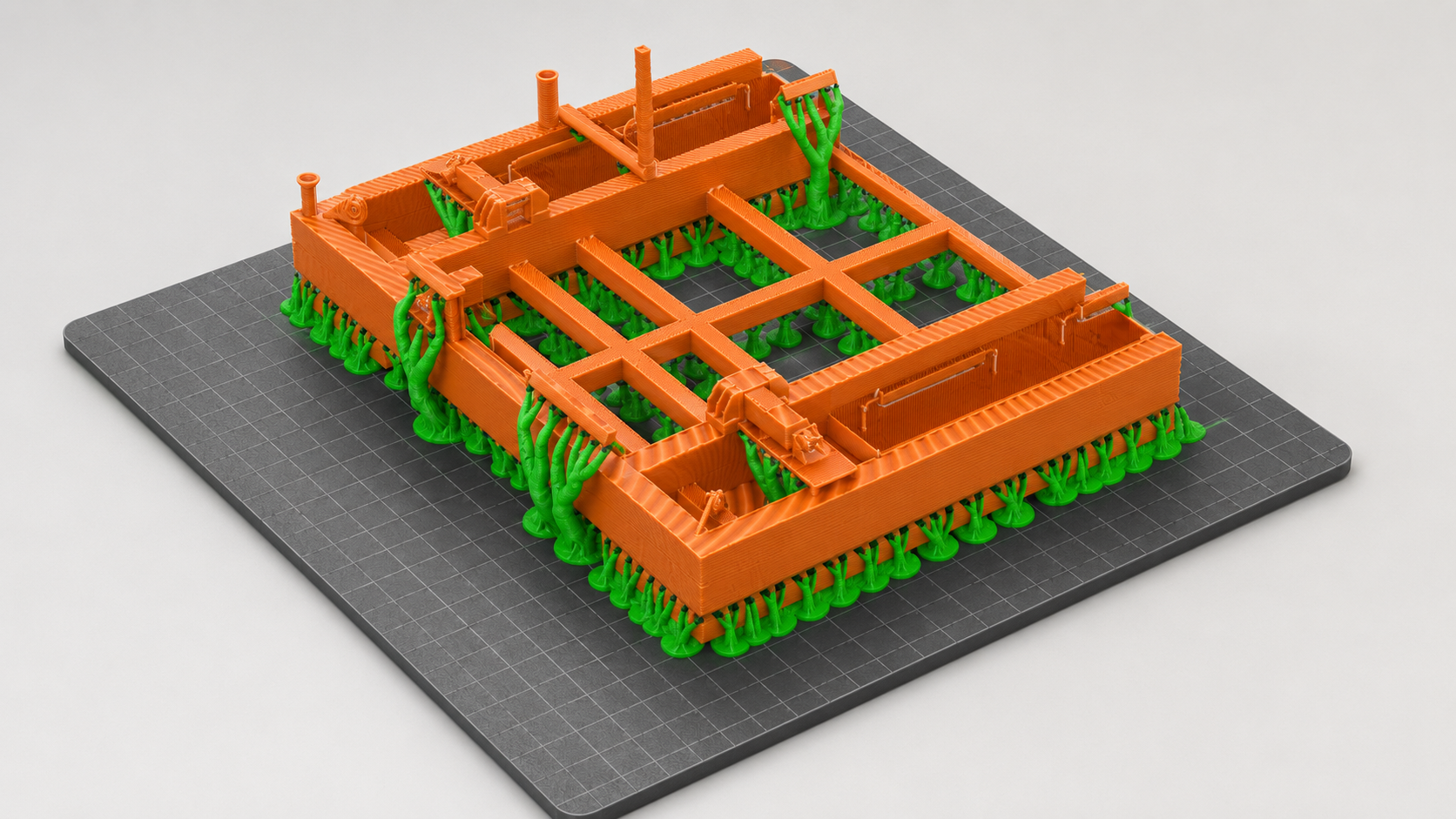
3D printed subsea structure model

Clearer Communication

Complex equipment arrangements and interfaces can often be understood much faster from a physical model than from drawings or screen-based views alone.
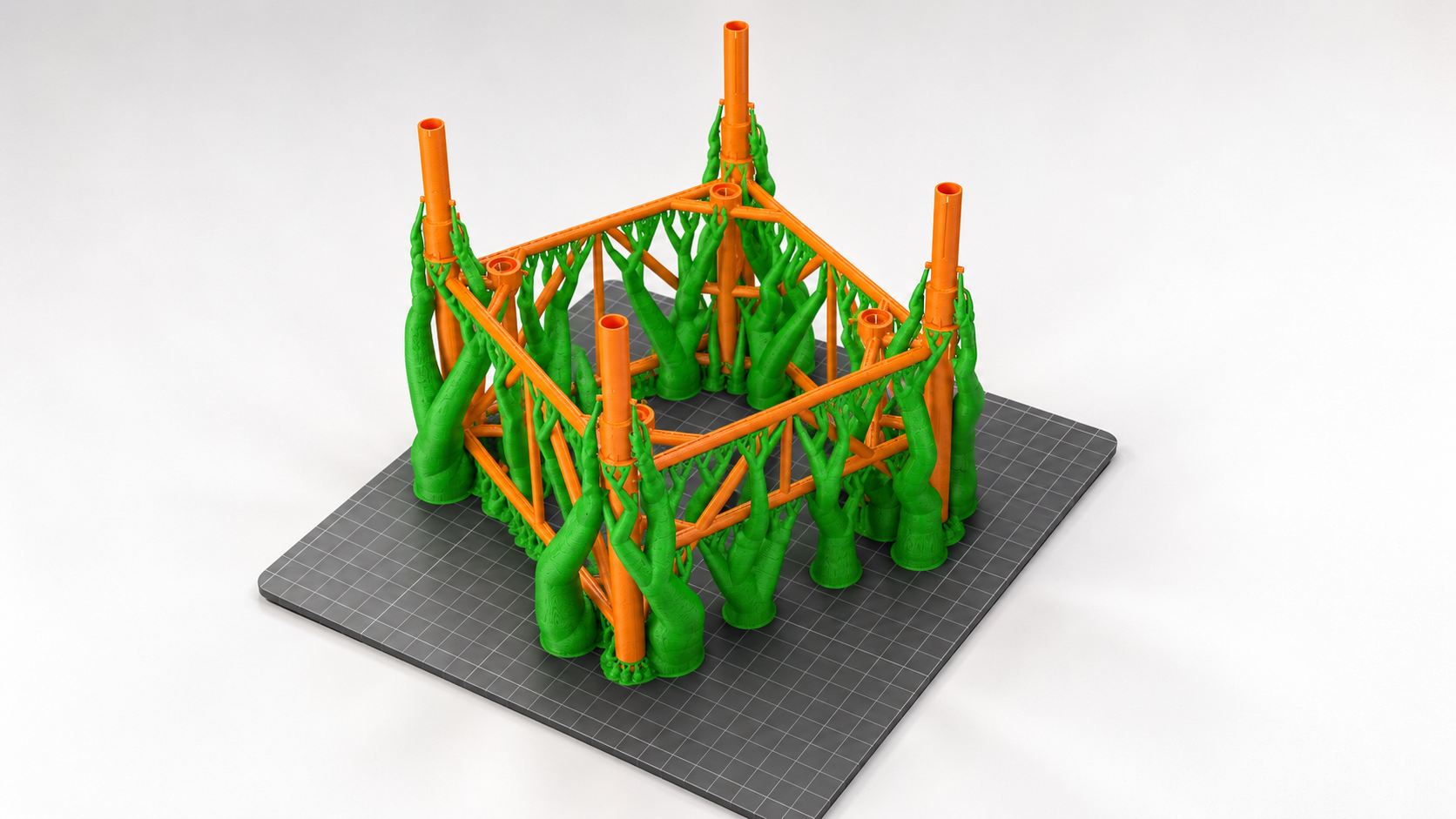
3D printed installation model

Better Project Reviews

A shared physical reference can help teams discuss access, lifting, installation sequences, interfaces and project constraints more clearly.
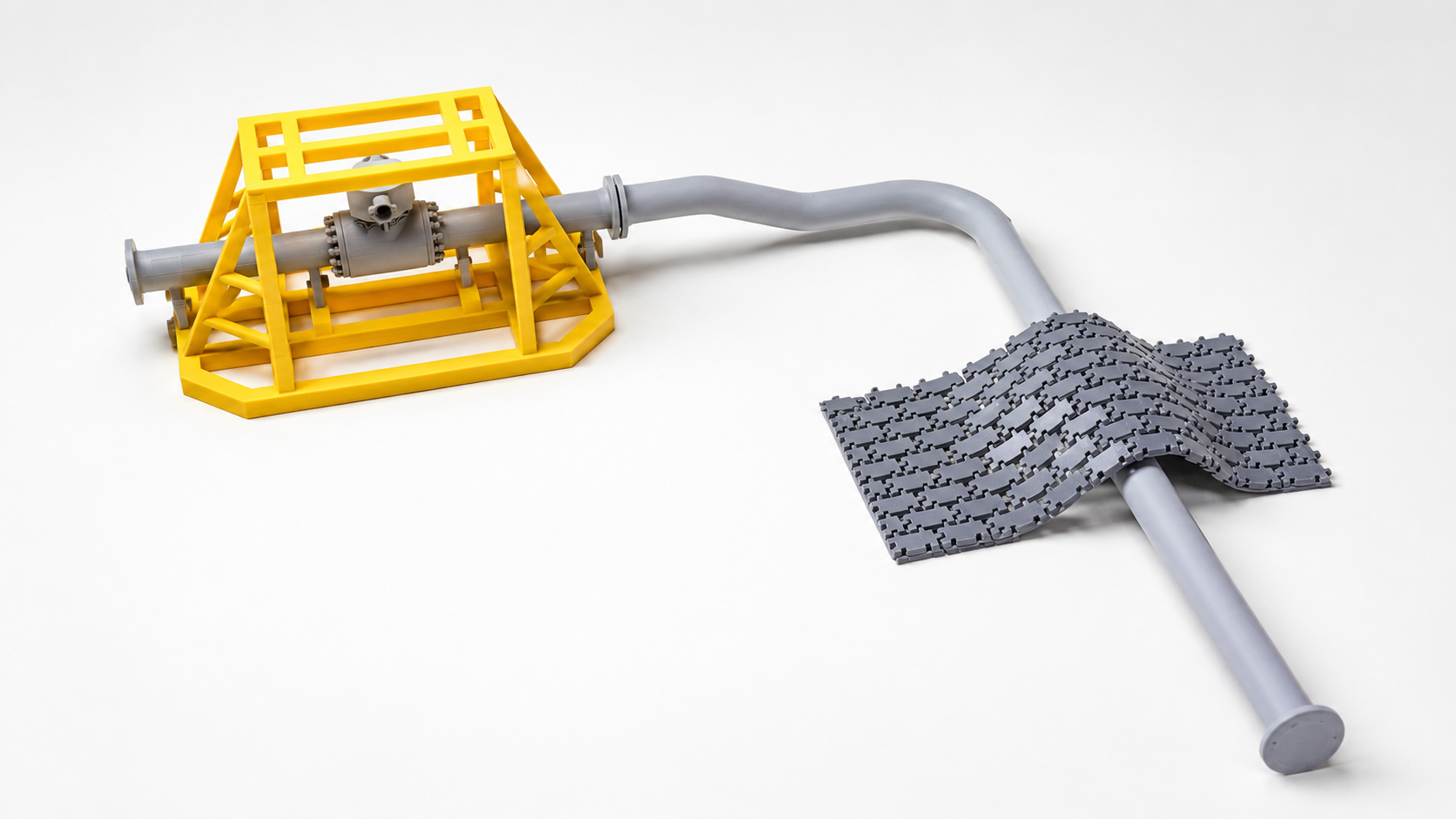
3D printed pipeline and seabed model

Useful Beyond Engineering

The same model can support client reviews, HAZID / HIRA sessions, offshore briefings, mobilisation planning and project presentations.

Need a clearer way to explain a complex offshore arrangement?

A project-specific 3D printed model can help clients, project teams and offshore personnel understand equipment interfaces, installation sequences and critical constraints before work begins on site.